Ten Tips For PAT's Ongoing Support And Advice in Solihull
In the UK electrical testing market the distinction between a transactional test provider (a PAT tester) and a partner who is an effective health and safety partner lies in ongoing support. While the initial testing event addresses immediate compliance needs, the dynamic nature of workplaces–with constantly changing equipment, staff, and environments–requires continuous guidance to maintain safety standards between formal testing cycles. The Electricity at Work Regulations of 1989 require dutyholders to maintain electrical equipment on a continual basis. Expert advice is essential in order to show diligence between scheduled tests. Continuous support that is superior transforms PAT testing from routine compliance exercises into an integrated safety management system, providing value through risk assessment updates, regulatory change alerts, and practical help in resolving problems. This advisory relationship ensures electrical security is a living process within an organization, rather than a check-box activity.
1. A Dedicated Account Manager and a Single Point of Contact
Professional PAT firms assign an Account Manager who is the principal contact for technical and administrative issues for all inquiries following conducting tests. The account manager will be knowledgeable about your account, assets and risk profile. You won't need to go through the same details each time you ask for advice. The account managers should perform regular reviews (annually and bi-annually) to review performance, resolve concerns and proactively determine ever-changing requirements. This will ensure that the service is in line with operational changes and regulatory requirements.
2. Telephone and Email Advisory Services for technical Queries in Solihull
Customers require access to technical support during testing cycles in situations like a assessing the purchase of new equipment or for minor damage issues. Service providers should provide clear channels for technical inquiries (dedicated email addresses or phone lines) that provide a prompt responses (e.g. 2 working hours). This will allow duty holders to make a well-informed decision about safety in real-time, and avoid using potentially hazardous equipment as they wait until the next scheduled testing visit.
3. Compliance Change Alerts and Service for Regulatory Updates in Solihull
The regulatory environment changes through HSE communications, amendments to the IET Code of Practice and court rulings that set new precedents. An extensive ongoing set of support includes a structured update service which informs clients about any pertinent changes to their PAT program. These could include announcements of important developments, or tailored guidelines on how particular changes impact their documented risk assessments and testing frequency.
4. Online Customer Portals & Digital Asset Management
Modern PAT providers offer secure online portals that offer access to 24/7 the entire testing ecosystem. It should contain downloadable historical certifications, the live asset registry, equipment testing histories and photographic proof of equipment, as well as schedule information for future test. The advanced portals allow users to report new equipment or minor issues directly through the system.
5. User Training Resources and Toolbox Talks in Solihull
The ongoing support focuses on helping clients train personnel. Suppliers should provide materials for training, such as visually-printed guides for the most basic checks, instructional videos, induction slides, and other materials for toolbox talks focused on electrical safety. Some providers offer on-site or virtual training sessions for duty holders who have been designated. These training sessions enable them to conduct checks on users and help to create an environment that is mindful of the need for electrical safety in the entire organization, beyond the testing process.
6. Risk Assessment Review and Adjustment Service
The risk assessment process is not static. Professional providers offer a review service triggered by operational changes: new equipment types, altered working environments, incidents/near-misses, or changes in user competence. The service involves reassessing test frequency and procedures using new risk profiles, and then formally documenting the rationale for any modifications. This ensures that the testing procedure remains efficient, proportionate and legal, which could mean expanding intervals for equipment that is low-risk that have demonstrated good performance.
7. Audits for HSE Audits for Insurance, HSE, and clients in Solihull
Dutyholders facing audits by external auditors such as the HSE or insurance companies need immediate support. The ongoing support provided includes providing copies of all pertinent documentation (certificates and calibration records) in addition to a brief summary of the testing program and, in certain cases providing a representative to assist audits either in person to provide the technical aspects of the testing program and to demonstrate compliance competence.
8. Remedial Action Management & Repair Coordination in Solihull
Support includes the management of the entire remediation cycle after faults have been discovered. This extends beyond the initial identification as it includes: providing specific estimates for repairs, coordinating repair timelines while minimizing disruption, managing repairs on-site using accredited workshops. Turnkey methods ensure that all faults are addressed properly and not just discovered.
9. Management of equipment changes and changes to the register in Solihull
Organizations constantly acquire, dispose of, and move portable appliances. Support for ongoing use requires efficient methods for updating master asset registers in between formal test cycles. It may be as simple as offering forms to register assets or a portal upload feature, or it could even include a service that changes the register in response to clients' alerts. A current and accurate register is crucial to ensuring compliance, as testing can only be properly conducted and planned with a complete list of assets.
10. Continuous Improvement Analytics and Performance Reporting
Advanced services providers provide analytical reports on a regular basis (annually or every quarter) that transform information into valuable business intelligence. The reports contain patterns in the failure rate, by Solihull or equipment type, as well as common fault PATterns. This analysis enables continuous improvement by identifying root causes of failures (e.g., environmental factors, problems with handling by the user) and enabling targeted interventions beyond tests on electrical equipment, like staff training or replacement of equipment programs. Follow the best Solihull electrical testing for website recommendations.

Ten Tips For Service Contracts On The Fire Extinguisher Service in Solihull
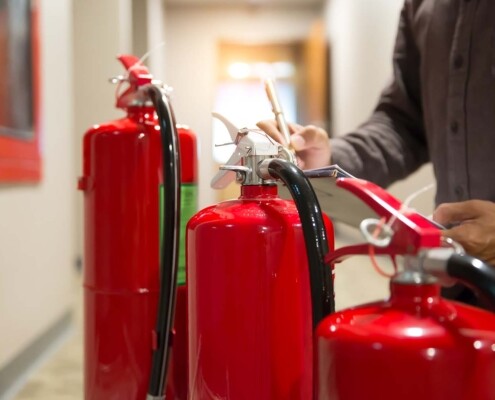
The decision to enter into an agreement for the maintenance of fire extinguishers which goes beyond cost. In the UK, in the country where the Regulatory Reform (Fire Safety) Order is in place the service agreement is the official means through that a responsible person can perform their legal responsibility of maintaining fire-fighting gear. A well structured contract will ensure certainty, guarantee compliance and clearly outline the roles of both parties. A poorly-drafted agreement could cause false security, hidden liability, and compliance gaps. Understanding the intricate components of these contracts–from service inclusion and pricing models, to the termination clauses and limitations on liability–is essential for selecting a partner who will not only maintain your equipment, but also share the burden of your legal responsibilities and contribute to a robust fire safety plan.
1. Contract Types Materials and Time as opposed to. Full-Compliance in Solihull
Understanding the fundamental design of your contract can help you to make informed decisions. The most comprehensive contract is a Full-Compliance Contract or Inclusive Contract. For a fixed annual price, the provider takes on the obligation for all scheduled maintenance (annual 5 years, 10 years, and annual), including all necessary parts, labour and refill agents. They are proactive in scheduling their visits and ensure that every job done is documented. This model is budget-friendly and eliminates the risk that comes with high-cost service that is unexpected. A Time-and Materials contract or a Call-Out Contract on the other hand, typically covers only the annual basic service. A discharge test of 5 years, for example, or any additional work will be charged as an additional. This can lead to unpredictable expenses, and you may need to schedule more complex procedures.
2. Pricing Structure Transparency
A good contract will have an itemised and transparent pricing structure. Examine the quote to ensure it is clearly broken down into costs. Does it specify a price per extinguisher the type? Do you have a separate line item for the annual service and an estimated cost for future service if they are not included? It is important to identify any hidden charges. It is important to ask questions about any cost hidden. Transparency in a quote allows budgeting to be accurate and creates confidence.
3. What are the services included and what's not?
This is the heart of the agreement. The contract must clearly specify what services are covered. Does the cost include:
All Annual Basic Services?
Extended service for 5 years. (discharge testing for foam, water, and powder). in Solihull
Do CO2 pressure tests and 10-year overhaul tests contain all CO2? in Solihull
Repair of components (seals or hoses, for instance pins, valves, seals).
Refill agent (powder and foam concentrate) in Solihull
If you need to borrow equipment while yours is being repaired, can you borrow it? in Solihull
The list of prohibited items is important as well including devices that have been attacked and robbed, or that require repairs because of malicious damage.
4. Go to Protocols and Scheduling of Services
The contract must clearly define the obligations of the service provider in relation to the scheduling. Do they call you every year to schedule a visit? Are they able to notify you beforehand? What's the procedure for their arrival? Should they arrive at reception, and will they require assistance? Additionally, the documentation should contain details on the average timeframe for a service call for your size premises, as well as the procedure to ensure that your business is not affected.
5. Documentation and Certification Delivery in Solihull
Documentation is required by law and is not given as a gratuity. The contract should clarify the manner in which certifications will take place and when it will be. A thorough Service Report is required after each service. This report must include the list of all equipment that was maintained and the kind of service that was performed. It must also mention any suggestions or faults that are discovered. This is your main evidence of compliance. You must provide it promptly. The contract should also specify the format (e.g., digital PDF, access to an online portal, or a hard copy) and who it will be mailed to.
6. Fault Resolution and Replacement Equipment Policy in Solihull
The document should outline the steps to follow if equipment is faulty. What is the definition provided by the manufacturer of "beyond economic repair"? What is their procedure for announcing an extinguisher as "beyond economic repair"? In the contract, it has to be clear who will pay for a new unit. A contract for full compliance must include this, barring any exclusions such as theft. To safeguard your property, you must specify in the contract the times for installation and the provision of replacements.
7. Time for Emergency and Reactive Work Response Times in Solihull
Planned visits are scheduled, but emergencies are not. The contract will define how the service will respond to an urgent issue like a leaky pipe or vandalism. Do they have a dedicated telephone line? What is the speed of response assurance for a phone call or engineer's visit? These terms can be classified into different categories based on how severe the issue is. Certain contract types may also contain additional charges.
8. Liability insurance and indemnity in Solihull
This is an essential protection. The contract should specify the service provider's Public Liability Insurance limits (e.g. PS5 million or PS10 million) as well as Professional Indemnity Insurance. Make sure that the insurance coverage is current and adequate. Additionally, you should review the clauses that restrict their liability. The standard is to cap liability at the amount of the agreement. But, this must be a reasonable limit.
9. Contract Termination, Renewal, or Duration Clauses in Solihull
Understand the commitment you are making. Are you signing a one-year contract that rolls over, or is it locked in for a long-term period like 3 or 5 years? What are the requirements for notice for terminating the contract? Are there penalties for ending earlier? The renewal clause must state that the service provider cannot automatically renew the contract if a new quote is not provided. It is also possible to terminate the contract for breach, such as frequent missed appointments or failure to provide certification.
10. Clauses regarding Assignment and Subcontracting in Solihull
It is important to carefully read any clauses that permit the service provider to subcontract or assign an agreement. Although subcontracting is common it is essential to state in your contract that the subcontractor you choose to use must possess the same certification and insurance (e.g., the BAFESP101) as the principal contractor. This will protect you against a dilution to standards and will ensure that the quality of the work is upheld. View the top rated fire safety in Solihull for site tips.